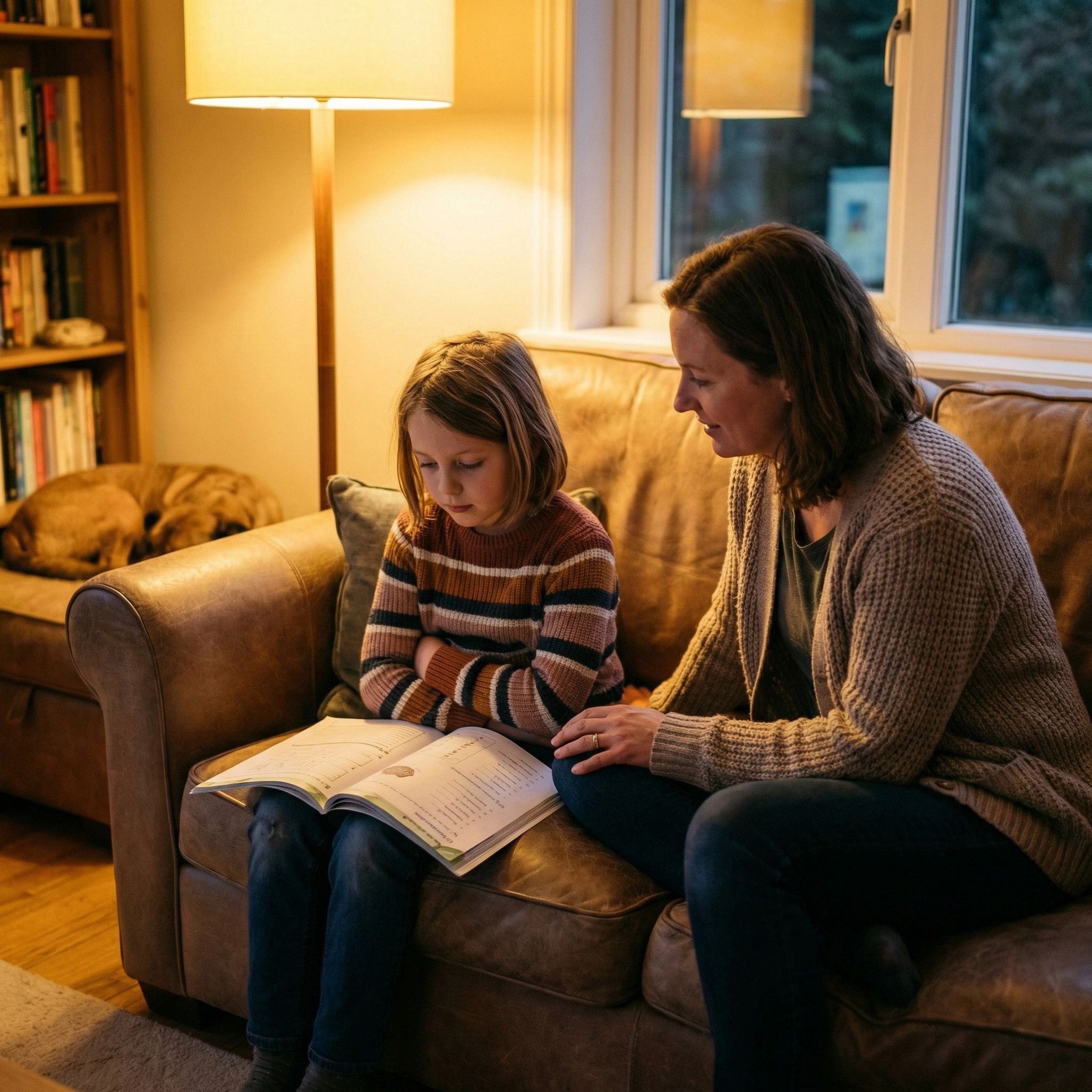
Understanding the hidden factors that shape learning, behaviour, and confidence
When a child starts to struggle — with schoolwork, focus, motivation, or behaviour — the first assumption is often, “They’re falling behind academically.”
But in reality, academic performance is usually the symptom, not the cause.
Children are whole humans.
Their learning is shaped by emotions, environment, relationships, confidence, and the invisible pressures they carry. When any of these areas wobble, school becomes harder — even for bright, capable kids.
This week on SwotSavvy, we’re exploring the deeper reasons children struggle, and how parents can support them with understanding rather than pressure.
🧠 1. Emotional Overload
Children feel stress intensely, even when they can’t name it.
Changes at home, friendship issues, sensory overload, or simply feeling “not good enough” can drain their mental energy.
What it looks like:
- Daydreaming
- Avoiding tasks
- Meltdowns over small things
- “I can’t do it” spirals
Why it matters: A child who feels emotionally unsafe can’t learn effectively — their brain is too busy protecting them.
🧩 2. Confidence Cracks
Many children struggle not because they can’t do the work, but because they don’t believe they can.
What it looks like:
- Rushing through tasks
- Giving up quickly
- Comparing themselves to others
- Perfectionism
Why it matters: Confidence is the engine of learning. When it dips, everything slows down.
🏠 3. Environment & Routine
A chaotic or unpredictable environment — even in small ways — can make learning feel harder.
What it looks like:
- Difficulty focusing
- Forgetting instructions
- Homework battles
- Feeling overwhelmed
Why it matters: Children thrive on structure, predictability, and calm spaces.
👥 4. Relationship Dynamics
Children learn best when they feel connected to the adults guiding them.
When that connection feels strained, learning becomes a battleground.
What it looks like:
- Resistance
- Avoidance
- “You’re always on at me”
- Shutting down
Why it matters: A child who feels judged or pressured will protect themselves by withdrawing.
🧬 5. Learning Style Mismatch
Sometimes the issue isn’t the child — it’s the method.
If the way they’re being taught doesn’t match the way they naturally learn, everything feels harder.
What it looks like:
- Struggling with written instructions
- Needing movement
- Learning better through visuals
- Asking lots of questions
Why it matters: Children learn differently — and that’s a strength, not a flaw.
💬 6. Hidden Worries
Children often carry silent concerns:
- “What if I get it wrong?”
- “What if people laugh at me?”
- “What if I disappoint someone?”
These thoughts can freeze their ability to try.
Children don’t grow through pressure — they grow through understanding, autonomy, and reflection.
🌿 How Parents Can Support Without Overwhelming
Here are gentle, effective ways to help a struggling child:
1. Get curious, not critical
Try: “I’ve noticed this feels tricky. What’s going on for you?”
2. Break tasks into tiny steps
Small wins rebuild confidence.
3. Focus on effort, not outcome
Praise persistence, not perfection.
4. Create calm, predictable routines
Consistency reduces overwhelm.
5. Strengthen connection before correction
A child who feels safe learns better.
6. Let them lead when possible
Autonomy builds motivation.
💡 Final Thought
If your child is struggling, it doesn’t mean they’re failing — it means something deeper needs attention.
And when you look beyond the academics, you often find the real key to helping them thrive.
With the right support, children don’t just “catch up.”
They grow stronger, more resilient, and more confident in who they are.