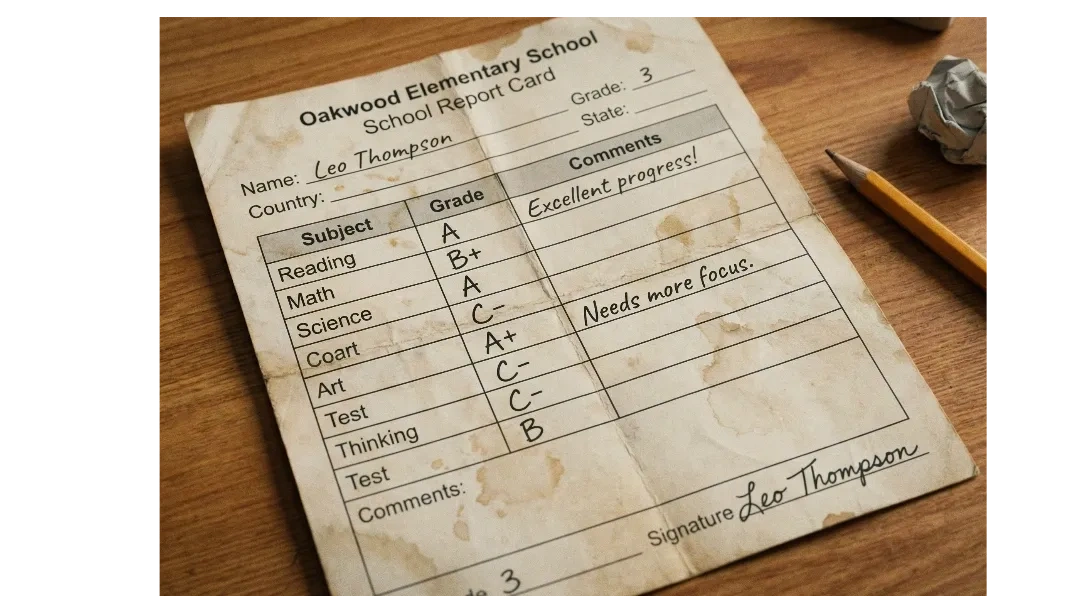
Decoding the feedback without the overwhelm
School reports can feel like a mixed bag: a few glowing comments, a sprinkling of “needs improvement,” and a handful of phrases that leave parents scratching their heads. For busy families, it’s easy to skim the grades and miss the deeper story. But here’s the truth — reports aren’t just about marks. They’re a window into your child’s learning journey, confidence, and wellbeing.
This week, we’re breaking down what those reports are really saying, and how you can use them to support your child without stress.
🧩 1. The Language of Reports
Why phrases matter more than numbers
- “Working towards expectations” often means your child is on the right track but needs more practice.
- “Shows resilience” highlights effort and persistence, even if results aren’t perfect.
- “Can be distracted” is a gentle nudge about focus, not a label.
Reports use coded language to balance honesty with encouragement. Reading between the lines helps you spot strengths and areas for growth.
🎯 2. Beyond the Grades
Look for patterns, not perfection
- Notice if your child shines in group work but struggles with independent tasks.
- Compare effort grades with attainment — effort often predicts future success.
- Watch for consistency across subjects: confidence in English might spill into history, while maths anxiety can affect science.
Patterns tell you more than a single grade ever could.
💬 3. The Emotional Subtext
Reports reflect wellbeing as much as academics
- Positive comments about participation or kindness show social growth.
- Notes on confidence or self-belief are just as important as test scores.
- If teachers highlight resilience, they’re signalling your child’s mindset is strong — a foundation for lifelong learning.
School reports are as much about character as curriculum.
🛠️ 4. Turning Feedback Into Action
Practical steps for parents
- Celebrate effort: “I love how hard you’ve tried here.”
- Ask reflective questions: “Which subject feels easiest? Which feels trickiest?”
- Partner with teachers: use reports as a springboard for conversations, not a verdict.
The goal isn’t to fix everything overnight, but to build confidence and curiosity.
🌱 5. Reframing the Narrative
Reports are not the final word
Your child is more than a grade. Reports are snapshots, not destiny. They highlight progress, resilience, and areas to nurture — but they don’t define potential. By decoding the language and focusing on growth, you can turn school reports into tools for empowerment rather than stress.
💡 Final Thought
Next time you open that envelope or click that PDF, remember: it’s not just a report card. It’s a conversation starter, a confidence builder, and a chance to celebrate the unique learner your child is becoming.