
Supporting your child’s learning without nagging starts with empathy, structure, and positive reinforcement, not pressure or shame. The way we respond to effort today shapes how children relate to learning for life.
I personally have found that positive reinforcement has been the most impactful in building trust and support with children. Nurturing is a key feature in encouraging engagement, especially when learning feels tough.
🚫 Why Nagging Backfires
Nagging often comes from love — but it can sound like criticism. Over time, it can:
- Trigger stress and avoidance
- Undermine confidence
- Create resistance to feedback
- Make learning feel like punishment
Children may start to associate learning with anxiety, not curiosity. And that mindset can follow them into adulthood.
🌱 What Supportive Learning Looks Like
Support doesn’t mean silence — it means guidance with warmth. Here’s what works:
- Praise effort, not just results: “You really stuck with that tricky question — I’m proud of you.”
- Use visual trackers: Let children tick off tasks themselves
- Offer choices: “Would you rather start with maths or reading?”
- Build calm routines: “Let’s do 10 minutes, then take a break”
These strategies build autonomy, emotional safety, and a sense of progress — without the pressure.
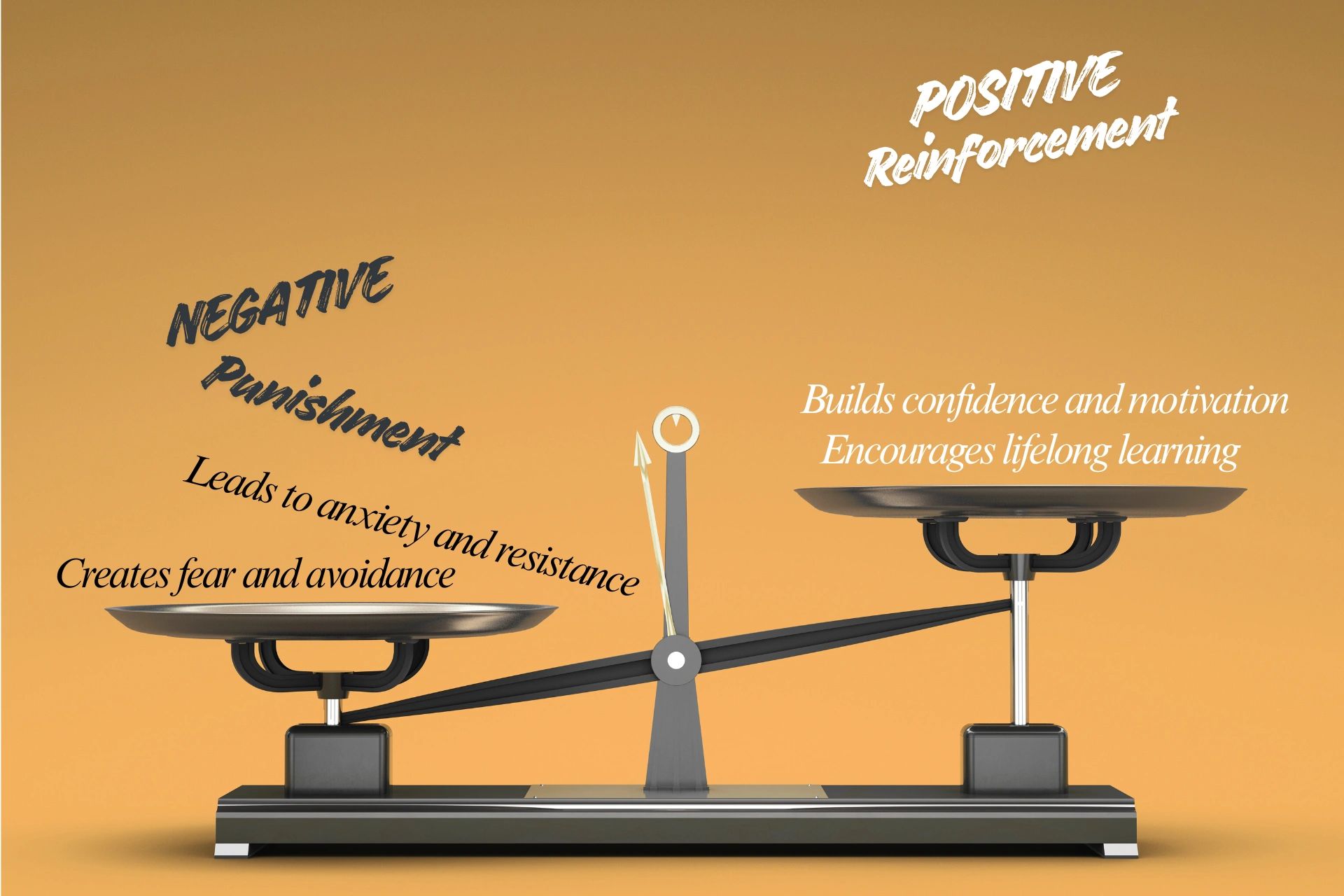
🔄 Positive Reinforcement vs Negative Punishment
💬 Final Thought
Children don’t need perfection — they need presence. When we shift from nagging to nurturing, we create space for growth, trust, and joy in learning.
SwotHub’s tools are designed to help families do just that — with gamified routines, printable trackers, and founder-led resources that make learning feel like a win.